

Spring is the perfect time for fresh starts, and that includes your resume. Just like your home, your resume can collect clutter over time. Outdated skills, old roles, and unnecessary details can distract from your true value. Employers often spend only seconds reviewing each resume, so clarity matters. A seasonal refresh ensures your resume highlights what truly makes you competitive in today’s job market.
 1. Update Your Most Recent Experience
Your latest role should reflect your current responsibilities and accomplishments. Many job seekers forget to revise their resume after promotions or expanded duties. Make sure your job descriptions focus on measurable achievements rather than generic tasks. Include metrics such as percentages, revenue growth, or productivity improvements when possible. Updating this section ensures employers see your most relevant and impactful experience first.
2. Refresh Your Skills Section
Skills that were relevant three years ago may not carry the same weight today. Review job descriptions in your industry to identify in-demand qualifications. Add new certifications, software knowledge, or technical abilities you have gained. Remove outdated tools or skills that are no longer widely used. A current skills section helps your resume pass applicant tracking systems and catch recruiters’ attention.
 3. Delete Outdated or Irrelevant Jobs
Not every job you have ever held needs to be on your resume. Positions from more than ten to fifteen years ago can often be shortened or removed unless they are highly relevant. Focus on experience that supports your current career goals. Eliminating unrelated roles keeps your resume concise and targeted. Employers appreciate resumes that are clear and easy to read.
4. Remove Objective Statements (Replace with a Summary)
Traditional objective statements often focus on what the candidate wants rather than what they offer. Consider replacing this with a professional summary instead. A summary should highlight your expertise, strengths, and career highlights. Keep it short and tailored to the role you are pursuing. This shift makes your resume more employer-focused and impactful.
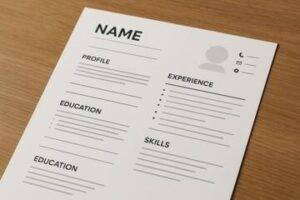 5. Clean Up Formatting and Design
Formatting issues can make even strong experience look unprofessional. Ensure consistent font sizes, spacing, and alignment throughout your document. Remove excessive colors, graphics, or outdated design elements unless your industry encourages creativity. Use bullet points to improve readability. A clean, modern format helps employers quickly find key information.
6. Eliminate Unnecessary Personal Information
Personal details such as full mailing addresses or multiple phone numbers are no longer required. You only need your name, city and state, phone number, and professional email. Avoid including photos unless specifically requested. Removing extra personal information protects your privacy and saves space. A streamlined header keeps the focus on your qualifications.
 7. Tailor It to Your Target Role
One of the most important updates you can make is customization. Review the job description and align your resume with key requirements. Use similar language to reflect relevant experience and skills. Remove generic statements that do not add value. Tailoring your resume increases your chances of standing out in a competitive market.
Omar Tarango is a Freelance Blogger and Social Media Manager